EU pushed back on Trump's 25% car tariff calling it 'breaking commitments' on the deal

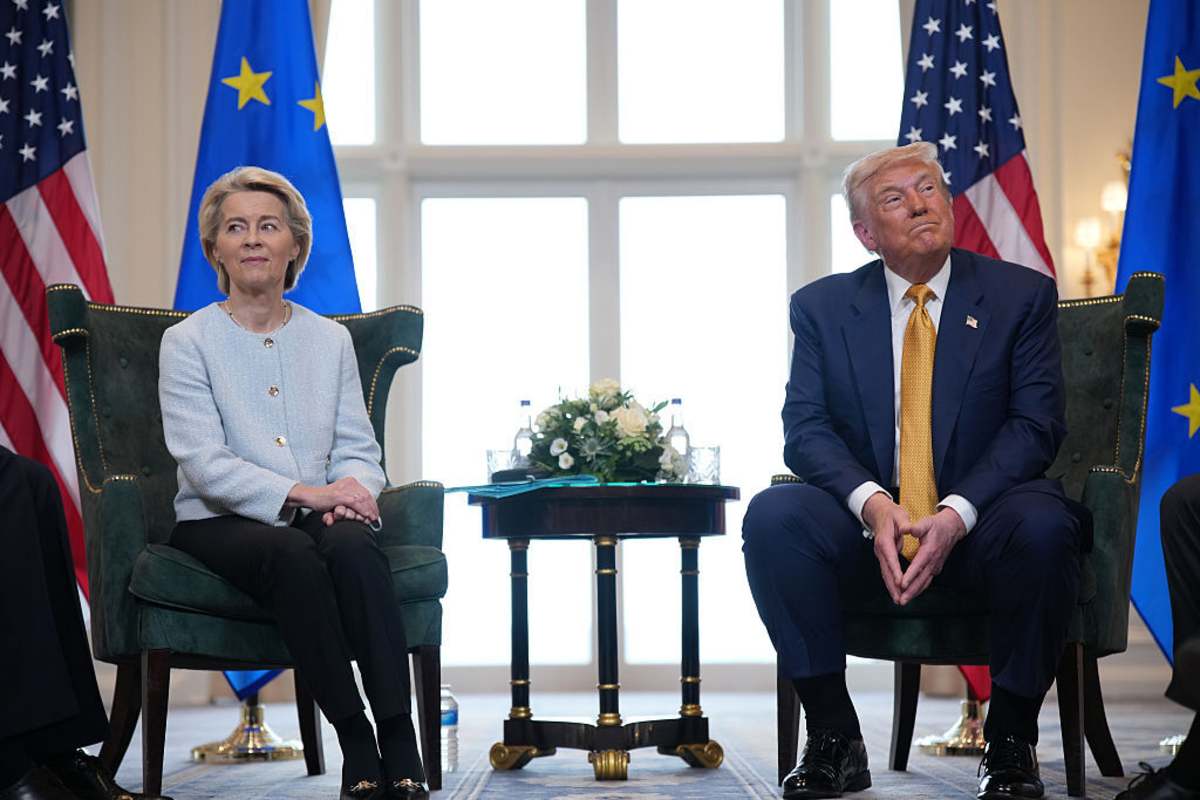
BRUSSELS: The European Commission has signaled it will "keep its options open" as it prepares for a potential transatlantic trade war following a dramatic escalation from the White House.
On Friday night, May 1, President Donald Trump utilized Truth Social to announce he will raise tariffs on European automobiles and auto parts to 25%, a significant jump from the current 15% rate.
The president alleged that the European Union was "not complying" with the terms of a landmark trade agreement struck last summer at his Turnberry golf resort in Scotland.
The announcement sent shockwaves through European capitals, as the automotive sector is a cornerstone of the bloc’s industrial economy.
"I will be increasing Tariffs charged to the European Union for Cars and Trucks coming into the United States. The Tariff will be increased to 25%. It is fully understood and agreed that, if they produce Cars and Trucks in U.S.A. Plants, there will be NO TARIFF." - President… pic.twitter.com/7vC3Nh7iPD
— The White House (@WhiteHouse) May 1, 2026
In a formal response, a spokesperson for the European Commission defended the bloc's actions, insisting that the Turnberry agreement is being implemented "in line with standard legislative practice" and that the US administration has been kept fully informed of all progress.
Simmering tensions over Turnberry deal
The rift highlights deep-seated frustrations that have plagued the Scotland deal since its inception.
Washington has repeatedly criticized the slow pace at which the EU is reducing its trade barriers, while Brussels remains angered by persistent US tariffs of 26% on European aluminum and steel.

This legislative friction has stalled the deal's final entry into force, leaving businesses on both sides of the Atlantic in a state of prolonged uncertainty.
Manfred Weber, chair of the European People’s Party, emphasized that negotiations must be concluded swiftly to protect European industry. Weber has called for a final vote on the trade agreement in the European Parliament as early as next month to provide clarity for manufacturers.
However, France’s EU affairs minister has already warned that there is "no reason" to unilaterally honor the agreement if the United States does not respect its own commitments.

European Parliament rejects unacceptable threats
Bernd Lange, the chair of the European Parliament’s trade committee reacted sharply to the news, labeling Trump’s 25% tariff vow as "unacceptable."
The committee accused the US administration of "breaking its commitments" and undermining the spirit of the summer accord.
Despite these external pressures, the EU remains internally divided; while France pushes to revisit the deal entirely, a majority of member states have resisted such a move, though the resulting stalemate has delayed a unified path forward.
The prospect of increased levies has also sparked alarm among international automakers operating within the United States.
Jennifer Safavian, CEO of Autos Drive America, warned that the proposed tariff hike would directly threaten the growth of the US auto industry and stall progress made in opening European markets to American goods.
Member states split on safeguards
As the Commission weighs its next move, it must navigate a fragmented political landscape. The European Parliament is demanding additional safeguards to protect the bloc's interests, but EU governments are currently unable to reach a consensus on whether to pursue them.

This internal friction has created a window for the Trump administration to exert pressure, even as industrial lobbyists warn that the resulting trade war would devastate global supply chains.
For now, Brussels remains in a defensive posture, awaiting further formal communication from Washington while readying its own economic arsenal.
The Commission's vow to keep all options on the table suggests that if the 25% auto tariffs are enacted, the EU may be forced to respond with its own significant retaliatory measures against American imports.