NATO Chief Rutte 'absolutely convinced' alliance will force Hormuz open, calls US strike 'crucial'
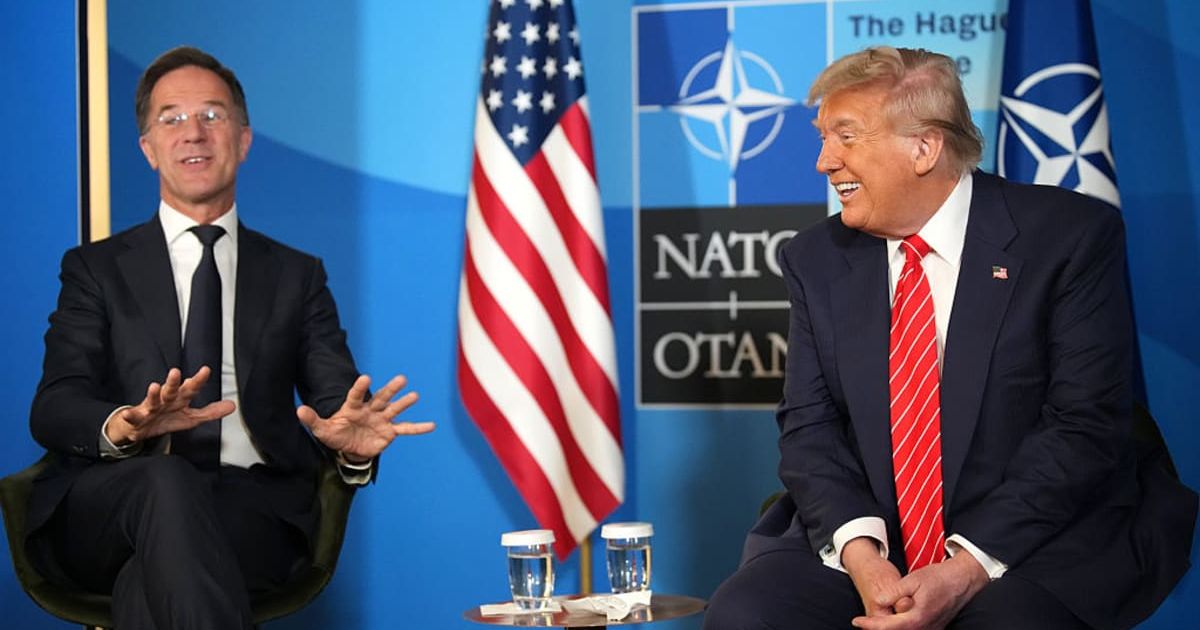
NATO Secretary Mark Rutte on Fox News Sunday praises Trump's war against Iran: "It is necessary and I commend the president's leadership on this" pic.twitter.com/J0mPb4TEVA
— Aaron Rupar (@atrupar) March 22, 2026
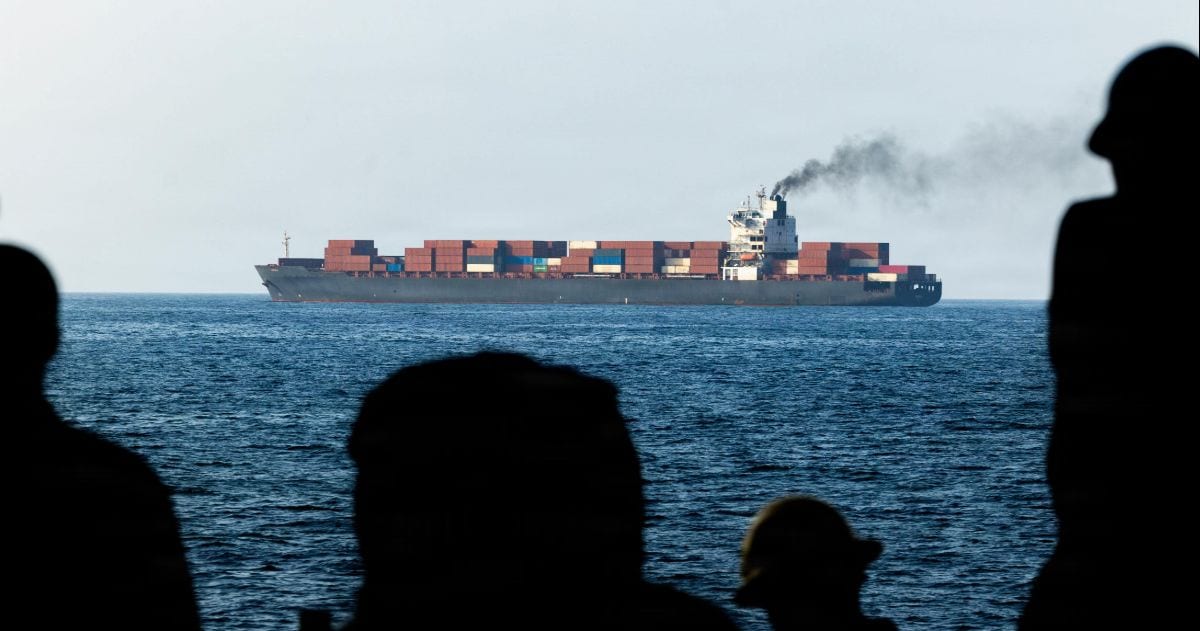
BRUSSELS, BELGIUM: The Secretary General of NATO Mark Rutte, said on Sunday, March 22, that he is “absolutely convinced” that NATO will be able to reopen the Strait of Hormuz amid escalating tensions in the Middle East.
Speaking in an interview with Fox News, Rutte highlighted ongoing coordination among European allies and global partners.
His comments come as the United States continues operations in the region and Iran issued fresh warnings over potential retaliation. The Strait of Hormuz remains a critical route for global oil shipments, with disruptions raising international concern.

NATO chief expresses confidence in reopening the Strait
Rutte said NATO members have been working in recent weeks to coordinate a collective response, emphasizing the need for planning and cooperation among allies.
“European allies and partners all over the world have used the last couple of weeks to make sure that we come together. They have started planning to see what we can do collectively as allies, as partners of the United States,” he said.
He suggested that the pace of response from NATO countries reflects the complexity and sensitivity of the situation. According to Rutte, the nature of the military operations required time for consultation and alignment among member states.

Addressing criticism from President Donald Trump regarding NATO’s role, Rutte indicated that coordination efforts were underway behind the scenes.
He reiterated confidence in the alliance’s ability to act collectively, stating he is “absolutely convinced” NATO will succeed in reopening the strategic waterway.
Rutte also described the ongoing US operation as “crucial,” citing what he called an “existential threat” posed by Iran.
.@SecGenNATO Mark Rutte applauds @POTUS' leadership on the world stage, says we're "coming together to make sure that we can be able to secure the Strait of Hormuz." pic.twitter.com/AE0ibJMFS6
— Rapid Response 47 (@RapidResponse47) March 22, 2026
His remarks reflect NATO’s broader position of supporting efforts to maintain security and stability in the region, particularly in safeguarding key maritime routes.
Iran warns of full closure if US targets power plants
Rutte’s comments came as Iran issued renewed warnings that it would fully close the Strait of Hormuz if the United States expands its strikes to include energy infrastructure.
Iranian military officials said the waterway would be “completely closed” and would remain shut until any damaged power plants were rebuilt.
The warning follows statements by US officials, including threats of potential strikes on Iranian power facilities if the strait is not reopened within a specified timeframe. Iranian authorities described such actions as grounds for significant retaliation.
Iran’s armed forces headquarters said that in addition to closing the strait, it would target infrastructure linked to the United States and its allies.
This includes energy and communications systems, as well as “similar companies in the region with US shareholders.” The military also warned that “the power plants of regional countries hosting US bases will be legitimate targets for us.”