Trump calls War Powers law 'totally unconstitutional' and his own party is starting to disagree
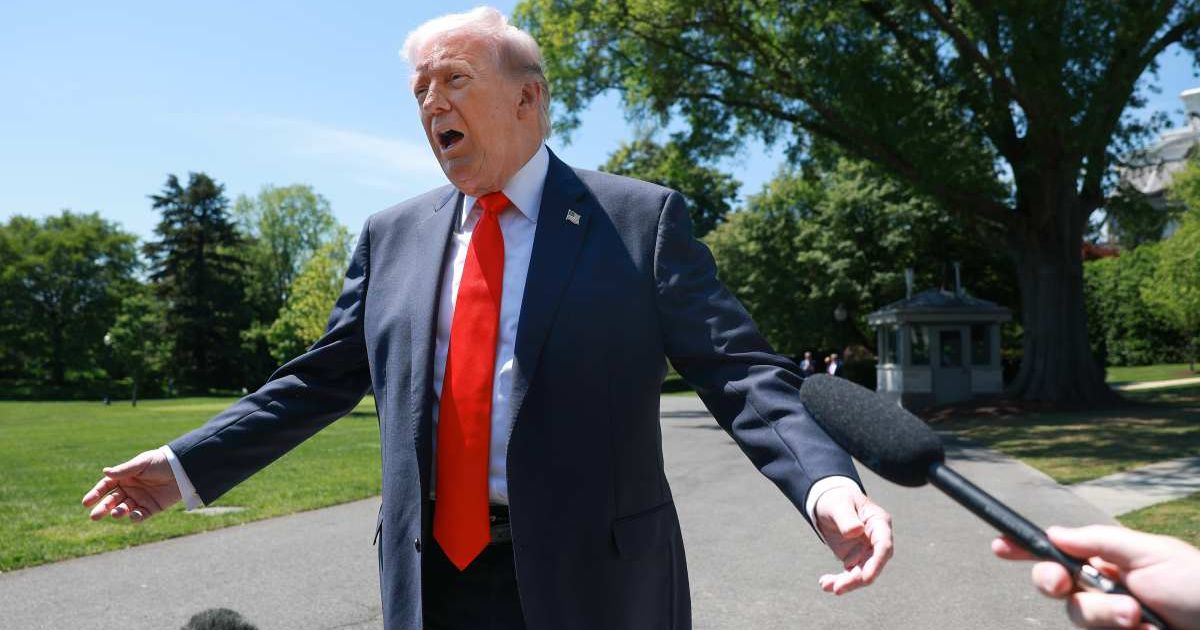
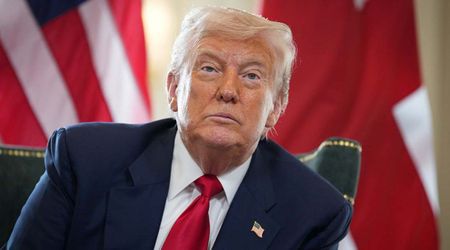
WASHINGTON, DC: President Donald Trump on Friday, May 1, dismissed the War Powers Resolution’s 60-day deadline as “totally unconstitutional,” signaling that his administration does not intend to seek formal congressional authorization to continue US military operations linked to the conflict with Iran.
The remarks came as lawmakers on Capitol Hill marked what many consider the legal deadline for continued hostilities under the 1973 law.
The War Powers Resolution requires presidents to obtain congressional approval to continue military action beyond 60 days unless Congress declares war or grants authorization.
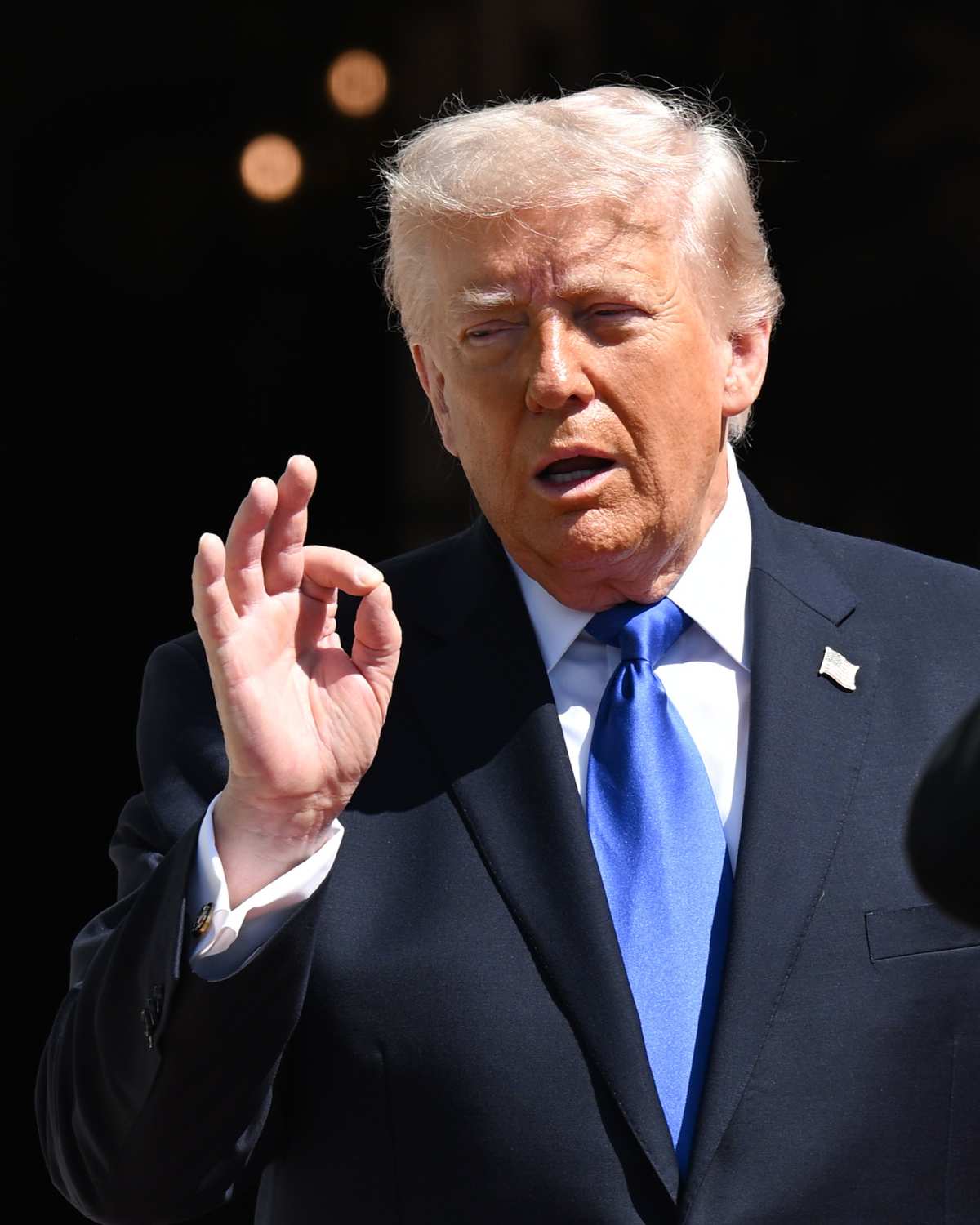
Trump formally notified Congress of the start of hostilities on March 2, making Friday the 60th day by many congressional calculations.
Trump rejects congressional authorization requirement
Speaking to reporters at the White House, Trump questioned the legal basis and historical use of the War Powers Resolution, suggesting previous presidents had not adhered to the law in similar conflicts.
“They consider it totally unconstitutional,” Trump said. “It’s never been used before. Why should we be different?”
Trump also dismissed the need to seek congressional approval to continue operations, arguing the executive branch has historically acted without formal authorization.
REPORTER: Why are you not seeking Congressional approval to extend this?@POTUS: "Because it's never been sought before... but we're always in touch with Congress. Nobody's ever sought it before, nobody's ever asked for it before... why should we be different?" pic.twitter.com/8L8n4xOzJm
— Rapid Response 47 (@RapidResponse47) May 1, 2026
“We’re always in touch with Congress, but nobody’s ever sought it before,” Trump said. “Nobody’s ever asked for it before.”
The remarks align with earlier comments from Defense Secretary Pete Hegseth, who argued during a Senate Armed Services Committee hearing that the current ceasefire between the United States and Iran effectively pauses the legal timeline.
“We are in a ceasefire right now, which our understanding means the 60-day clock pauses, or stops, in a ceasefire,” Hegseth said.
Pete Hegseth on Iran: "We are in a ceasefire right now, which our understanding means the 60-day clock pauses or stops in a ceasefire." pic.twitter.com/6WdGtZzhaB
— The Post Millennial (@TPostMillennial) April 30, 2026
Senator Tim Kaine (D-Va) challenged that interpretation, saying, “I do not believe the statute would support that. I think the 60 days run maybe tomorrow, and it’s going to pose a really important legal question for the administration there.”
Congressional divisions deepen as blockade continues
The legal dispute comes as Trump remains committed to maintaining the US blockade of Iranian ports in the Strait of Hormuz, a strategy administration officials say is aimed at increasing pressure on Tehran to return to negotiations over its nuclear program.
A White House official said the administration remains in active communication with lawmakers and emphasized that members of Congress have been kept informed through regular briefings.

White House spokesperson Anna Kelly said administration officials had provided “over 30 bipartisan briefings” to lawmakers since the start of the conflict.
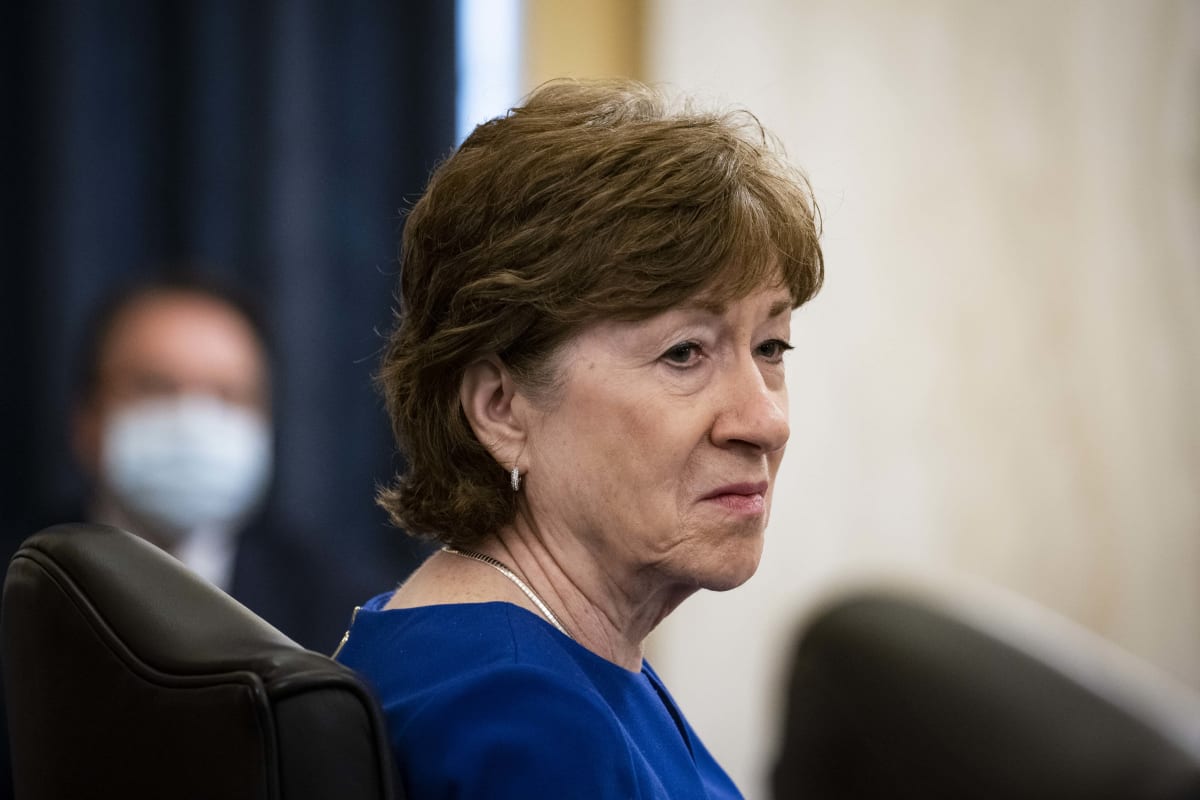
Still, political divisions over the war are becoming more visible. Senator Susan Collins (R-Maine) joined Senator Rand Paul (R-Ky) on Thursday in supporting a resolution aimed at halting military action against Iran, though the measure was defeated in the Senate.
Some Republicans have expressed concern over the duration of the conflict and its economic consequences, particularly rising oil prices linked to disruptions in the Strait of Hormuz.
Trump, however, defended the blockade strategy earlier this week, calling it “genius” and suggesting Iran would ultimately be forced back to the negotiating table. “Now, they have to cry uncle, that’s all they have to do. Just say, ‘We give up,’” Trump said.